
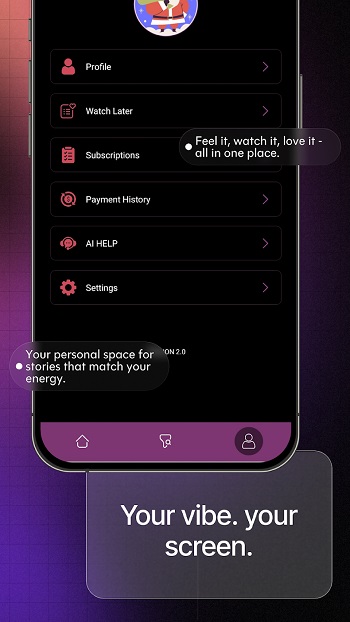
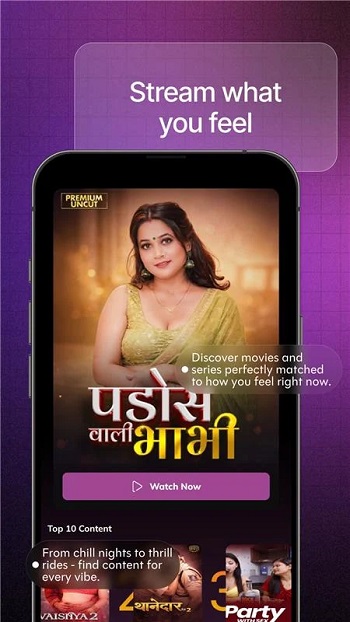
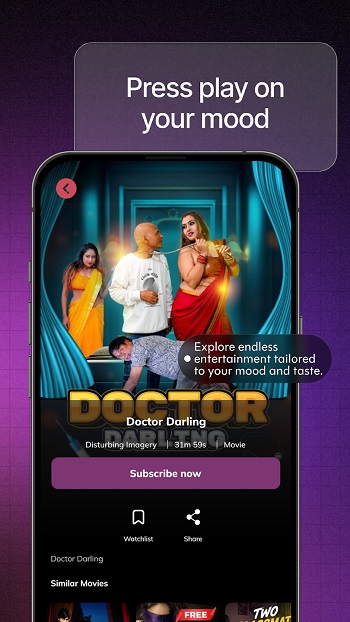
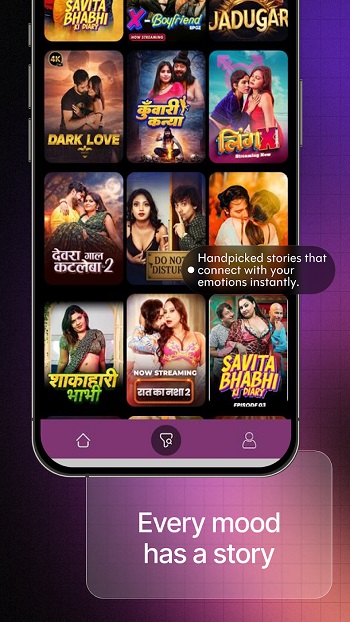
The MoodX Mod APK fits into this growing idea of personalised digital entertainment. Rather than treating every user in the same way, a mood-based entertainment platform can make discovery feel more relevant by connecting content choices with interests, preferences and the kind of experience someone wants at that moment.
For users considering MoodX, the real question is not simply whether the app contains entertainment. What matters is whether its discovery experience is useful, easy to understand and suitable for the way you normally consume digital content.
Why Mood-Based Entertainment Is Becoming More Useful
Most entertainment platforms organise content by broad categories such as comedy, music, drama, trending content or popular releases. That structure works, but it does not always reflect why somebody opens an entertainment app.
A person might want something relaxing after work. Someone else may be looking for energetic content during a break. Another user may simply want to browse something light without spending 15 minutes deciding what to open. Mood-based discovery tries to shorten that decision process.
Instead of thinking only about content type, the platform can potentially organise discovery around the experience a user is seeking. This is particularly useful on mobile devices where people often open an app for a short session and expect to find something interesting almost immediately. The value is not having more choices. It is making those choices easier to filter.
What Should Users Expect From the MoodX App?
People searching for MoodX will usually want to understand the app before installing or spending significant time on it. The most useful way to evaluate it is to look at the core experience rather than focusing only on promotional descriptions.
A well-designed entertainment app should make it easy to discover content, move between sections and understand what to do next. Users should not need several minutes to learn basic navigation.
Personalisation also matters. If the platform recommends entertainment according to activity or expressed preferences, those recommendations should gradually become more relevant. Random suggestions may create variety, but useful personalisation should reduce unnecessary searching.
Content freshness is another factor. Even an attractive interface can become repetitive if users repeatedly see similar recommendations.
The first-session test
A simple way to judge any entertainment app is to pay attention to the first few minutes. Ask yourself:
- Can you understand the main screen without instructions?
- Can you quickly find content that interests you?
- Are recommendations clearly organised?
- Is it easy to move back to previous sections?
- Does the app explain why permissions or account details are requested?
If the answer to most of these questions is yes, the platform is more likely to remain comfortable during regular use.
Personalised Discovery Can Be Helpful, But It Needs Balance
Recommendation systems are now common across streaming services, social platforms and content discovery apps. Their purpose is straightforward: show users more of what they are likely to enjoy.
That can save time. If someone frequently chooses humorous or relaxing content, recommendations related to those interests may be more useful than a generic trending page. There is a limitation, though.
Strong personalisation can sometimes make discovery too narrow. A user who repeatedly interacts with one type of content may continue seeing similar material instead of discovering something different.
A useful entertainment experience should therefore combine personal suggestions with exploration. Categories such as trending, new, suggested or different moods can help prevent the experience from becoming repetitive. For users, this is worth remembering: recommendation quality is not simply about accuracy. Variety matters too.
Is MoodX Mod APK Easy for Beginners to Use?
Ease of use is one of the biggest factors separating an app people try once from one they continue opening. Beginners generally benefit from clear icons, familiar menus and a home screen that does not overload them with choices. Search and discovery tools should be easy to identify rather than hidden behind several screens.
The moodx Entertainment App may appeal most strongly to people who prefer guided discovery instead of manually searching through large libraries. That can include casual users who do not already know what they want to watch, listen to or explore.
Experienced users may care about different details such as filtering, account controls, saved content and recommendation accuracy. Neither group necessarily needs hundreds of features. Most people benefit more from a smaller set of features that work predictably.
MoodX vs Traditional Entertainment Platforms
Traditional entertainment platforms often begin with content categories. Mood-focused platforms begin with user intent. That is a meaningful difference.
Imagine two users opening an app at the same time. One wants something calm before sleeping while the other wants something lively during a lunch break. A normal category-based service may show both users similar trending content. A mood-oriented service has the opportunity to send them in different directions from the beginning.
This does not automatically make one model better than the other. Traditional platforms may be preferable for users who know exactly what title, creator or genre they want. Mood-led discovery can be more useful for people who want suggestions without entering a specific search. The best choice depends on how you normally discover entertainment.
What Should You Check Before Using MoodX Regularly?
An entertainment app should be judged on more than its design.
Content availability
Check whether the platform regularly offers material you are interested in. A large catalogue is not always necessary, but repeated or limited recommendations can reduce long-term value.
Account requirements
Some applications allow limited browsing before registration while others require an account early in the experience. Check what information is requested and whether creating an account gives you features you actually need.
Privacy and permissions
Pay attention to permissions during installation or setup. Entertainment apps may request access for notifications, media functions or other features depending on how the product is designed. A practical rule is simple: if a permission does not seem connected to a feature you use, review the explanation before approving it.
Advertisements and paid options
Free entertainment platforms may use advertising or offer optional paid features. These models can change over time, so users should check the current app listing and in-app information before assuming the service is completely free.
This is particularly important when comparing entertainment apps because two services that appear similar at first may handle advertising very differently.
Common Mistakes New Users Make
The most common mistake is judging an entertainment app after only a few recommendations. Personalised systems often need interaction before they can understand what a user prefers. Browsing different sections, saving useful content or skipping irrelevant suggestions can provide stronger signals than opening the app once and leaving.
At the opposite extreme, users should not assume that every recommendation is personally selected or perfectly matched. Automated discovery systems work from patterns and available signals. They can still suggest irrelevant content.
Another mistake is enabling every notification by default. Entertainment apps can become distracting if frequent alerts are allowed unnecessarily. Choosing only useful notification categories usually creates a cleaner experience.
Who Might Find MoodX Most Useful?
Mood-oriented discovery is particularly relevant for users who regularly think, “I want something to watch, but I don’t know what.” It may also suit people who enjoy exploring entertainment without searching for exact titles.
Users with very specific viewing habits may prefer platforms built around direct search, subscriptions or established content libraries. People who enjoy spontaneous discovery may get more value from recommendation-led platforms.
There is no need to treat these models as competitors in every situation. Someone can use a traditional streaming service for planned viewing and a discovery app when they simply want ideas.
Can MoodX Replace Your Existing Entertainment Apps?
For many users, replacement may not be the right question. Entertainment apps increasingly serve different purposes. One platform may be useful for long-form video while another is better for quick discovery, music or socially shared content. Mood-based entertainment can occupy another role by helping users decide what suits their current interests.
Before replacing an existing platform, compare what you actually use. Look at discovery quality, content variety, ease of use, privacy controls, advertising and how frequently you find something worth opening. Those practical details matter more than the number of features listed on an app page. You can also download Story TV Mod APK.
A Better Way to Decide Whether MoodX Is Right for You
Try to evaluate the app around one simple measure: does it reduce the effort required to find enjoyable content? That is where the idea behind MoodX APK becomes most interesting.
Users already have access to more digital entertainment than they can realistically consume. The harder problem is deciding what deserves their attention. An app that helps organise entertainment around mood or personal interest can make that decision easier, provided the recommendations remain relevant and the interface stays simple.
Before making it part of your regular routine, explore several sections rather than judging only the home screen. Review account and privacy settings, see whether suggestions improve as you interact and check whether the available content matches how you like to spend your free time.


